Metagenome vs. Microbiome: Key Differences
The terms metagenome and microbiome are often used interchangeably in microbiological research, but they refer to distinct concepts that play unique roles in understanding microbial ecosystems. Here’s a breakdown of their differences:
Microbiome
The microbiome refers to the entire community of microorganisms (bacteria, archaea, fungi, viruses, and protists) living in a particular environment, along with their interactions with each other and their host. For example:
- Focus: The microbiome emphasizes the ecological and functional roles of microbes, including their abundance, diversity, and interactions.
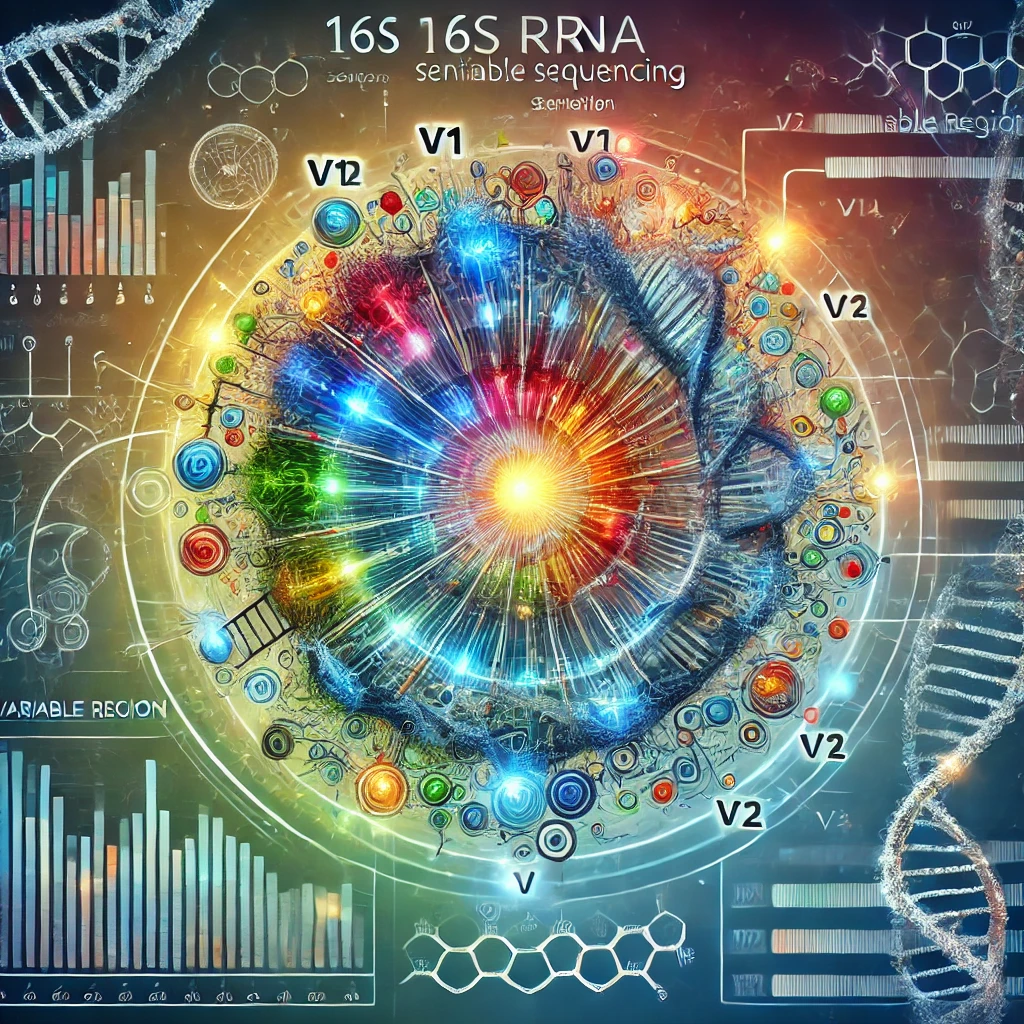
- Scope: Microbiome studies often use marker gene sequencing, such as 16S rRNA for bacteria and archaea or ITS for fungi, to identify and classify microbes in a sample.
- Applications: Commonly used for understanding microbial diversity in environments like soil, oceans, and the human gut, as well as for health-related studies like gut dysbiosis or probiotics research.
Metagenome
The metagenome encompasses the entire collection of genetic material extracted from a microbial community, including both functional and taxonomic elements. It provides a more detailed picture of what microbes are present and what they are capable of doing. Key distinctions include:
- Focus: Metagenomics delves into the functional potential of the community by sequencing all DNA in a sample, enabling analysis of metabolic pathways, resistance genes, and ecological roles.
- Scope: Unlike microbiome studies, metagenomics captures both coding and non-coding regions of the genome, giving insights into both known and unknown organisms, as well as their functional capabilities.
- Applications: Useful for studying microbial ecology, bioremediation, functional gene discovery, and resistance mechanisms in microbial communities.
Key Differences
| Aspect | Microbiome | Metagenome |
|---|---|---|
| Definition | Microbial community and interactions | Complete genetic material of a community |
| Techniques | Marker gene sequencing (e.g., 16S, ITS) | Whole-genome sequencing (WGS) |
| Output | Taxonomy and diversity | Functional potential and genome assembly |
| Applications | Diversity and population studies | Functional analysis and ecological roles |
In summary, while microbiome research provides a snapshot of who is there in a microbial community, metagenomics goes further by answering what they can do. Together, these approaches offer complementary insights, unlocking a deeper understanding of microbial life and its implications for health, ecology, and industry.
Unleashing the Power of Microbiome Sequencing with MR DNA
At MR DNA, we specialize in groundbreaking microbiome sequencing services, empowering researchers to explore the intricate complexities of microbial communities. With our state-of-the-art sequencing platforms, including Illumina and PacBio, we provide unparalleled precision in analyzing bacterial, archaeal, and fungal ecosystems. Whether you’re investigating environmental microbiomes, gut health, or microbial bioremediation, MR DNA offers tailored solutions to meet the unique demands of your research.
Our expertise spans a variety of cutting-edge techniques, such as 16S rRNA sequencing for bacteria and archaea, ITS sequencing for fungi, and comprehensive metagenomic and metatranscriptomic profiling. We also support functional gene analysis, enabling deeper insights into microbial pathways and interactions. By leveraging our advanced bioinformatics pipelines, you can uncover actionable data, from taxonomic classification to functional annotation, to drive impactful discoveries.
Partner with MR DNA for reliable, high-quality microbiome sequencing and analysis. Our customizable services accommodate diverse primer sets and study designs, ensuring optimal results for every project. Visit MR DNA to learn more about how we can elevate your research and provide the clarity needed to unlock the secrets of the microbiome. Let MR DNA be your trusted partner in innovation!